Source Ploughing Machine for Tillage, Planting, and Harvesting
Find and compare 30 ploughing machine options for agricultural use. These units support soil preparation, bed planting, and continuous running operations. Options include tractor-mounted and diesel-powered models with various certifications like CE and ISO 9001; compare the available evidence and request quotations based on your requirements.
Key considerations
Products List


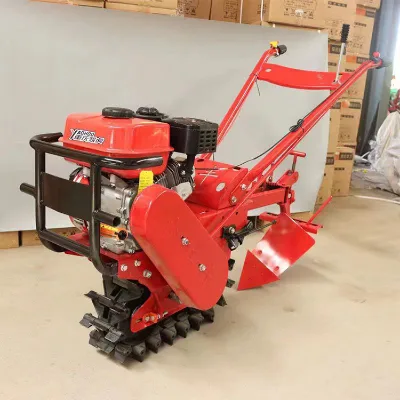


Field Mower Agruiculture Machine
$800.00 - $1000.00
Moq: 1
Shandong Liying Agricultural Technology Development Co., Ltd.





Comprehensive Sourcing Guide
Ploughing Machine Sourcing Guide
Buyers must first distinguish between the diverse categories of ploughing equipment available, as the market lists items ranging from simple rakes to complex production machines. The observed inventory includes specific types such as disc ploughs designed for three-point mounting and soil preparation machinery intended for continuous running operations. Understanding these distinct classifications is essential before initiating contact, as a machine labeled for "tillage" may differ significantly in structural requirements from one designated for "grain threshing" or "fertilization."
Procurement strategies should also account for the varied power sources and traction types observed in current listings. While some units are explicitly powered by gasoline or diesel engines, others are designed to be tractor-mounted or rely on hanging traction systems. This variation dictates the compatibility requirements for the buyer's existing fleet and infrastructure. A thorough initial review of these power and traction attributes prevents the selection of equipment that cannot be integrated into the intended farming or forestry workflow.
Product Scope and Observed Listing Signals
The product scope for ploughing machines extends across multiple agricultural and industrial sectors, including forestry, fisheries, and general agriculture. Listings indicate applications for bed planting, dry cultivating, and hole punching shape forming, suggesting a wide range of functional capabilities within the category. Buyers should verify that the specific application field matches their operational needs, as a machine optimized for soil cultivation may not be suitable for the specialized demands of grain drying or farmland infrastructure maintenance.
Listing signals reveal significant variability in model numbers and standard configurations, with some entries citing specific models like J23 or 1LY-430 while others list "many" as the model designation. This inconsistency requires buyers to look beyond generic titles and examine the detailed specifications provided for each unit. The presence of different packing standards, such as wooden crates versus iron frame boxes, also signals differences in shipping requirements and potential protection levels during transit, which must be factored into the logistics planning.
Technical Specifications to Verify
Technical verification must begin with the physical dimensions and operational mechanics of the machinery. Key parameters to confirm include the working width, which can be as specific as 750mm, and the disc diameter, observed at 660mm in certain listings. Buyers should also validate the matched power requirements, noting that some units are designed for 75-90HP tractors, while others may rely on different drive types like gear drives or single-action slider movements. These mechanical details directly influence the efficiency and suitability of the machine for specific soil conditions.
Weight and material composition are critical factors that affect durability and transport logistics. The observed inventory includes units constructed from iron, with some weighing as little as 2lbs, though this likely refers to specific components rather than the entire assembly. Buyers must ensure the material grade and structural integrity, such as the presence of an iron shellframe box or iron frame, align with the heavy-duty demands of tillage and harvesting. Confirming the condition as "New" and understanding the specific operation mode, whether movable or fixed, is essential for predicting long-term performance.
Compliance and Safety Documentation
Compliance verification requires a rigorous check of the certifications listed against the regulatory requirements of the buyer's destination country. The observed listings frequently cite GS, CE, RoHS, and ISO 9001 standards, alongside SGS certification for specific models. Buyers must confirm that these certifications are current and applicable to the specific machine configuration being purchased, as a generic certification may not cover the unique operational risks of a disc plough or a press machine for hole punching.
Safety documentation should also address the specific farming policies and operational modes associated with the equipment. For instance, machinery designated for "dry cultivating" or "bed planting" may have distinct safety protocols compared to general soil preparation tools. Buyers should request detailed manuals that explain the safe operation of the traction type, whether it is hanging or traction-based, and ensure that the machine meets the necessary safety standards for the intended application field, such as forestry or fisheries, where operational hazards may differ from standard agriculture.
Cost Drivers and Commercial Terms
Cost drivers in the ploughing machine market are heavily influenced by the complexity of the machinery and the specific customization options available. The observed price range spans from 12 to 50,000 USD, reflecting the vast difference between simple tools and complex production machines. Buyers must analyze whether the higher price points correlate with advanced features like continuous running operations or specialized applications, ensuring that the cost aligns with the actual functional requirements rather than paying for unnecessary capabilities.
Commercial terms regarding minimum order quantities and packaging are equally critical for budget planning. The observed MOQ ranges from 1 to 100 units, offering flexibility for small-scale buyers while potentially requiring bulk commitments for larger operations. Packaging requirements vary from standard wooden crates to custom customer requirements or iron frames, which can significantly impact shipping costs and insurance premiums. Buyers should negotiate these terms clearly to avoid unexpected expenses related to specialized packing or volume-based pricing structures.
Supplier Qualification and Quality Control
Supplier qualification should focus on the geographic origin and the consistency of their production standards. The majority of observed listings originate from Shandong Province, China, with specific mentions of Yucheng and Shan Dong as key manufacturing hubs. Buyers should verify the supplier's ability to maintain consistent quality across different models, as the listings show a mix of specific standards like ISO9001: 2000 and more generic "many" designations. Consistency in origin and standard adherence is a strong indicator of reliable manufacturing practices.
Quality control processes must be validated through the supplier's adherence to the listed certifications and material specifications. The presence of certifications like CE and ISO 9001 suggests a commitment to quality, but buyers should request evidence of these standards for the specific batch being ordered. Additionally, verifying the material composition, such as the use of iron frames or shells, and the condition of the product as "New" ensures that the delivered machinery meets the expected durability and performance benchmarks for agricultural and industrial applications.
Long-Term Procurement Checks
Long-term procurement success depends on establishing clear channels for after-sales support and spare parts availability. Given the diverse range of models and the specific nature of agricultural machinery, buyers should confirm the supplier's ability to provide technical support for issues related to the drive type, traction system, or power source. Ensuring that the supplier can support the specific model number, whether it is a J23 or a 1LY series, is vital for minimizing downtime during critical farming seasons.
Buyers must also plan for the lifecycle management of the equipment, considering the varying standards and certifications that may evolve over time. As regulations change, the initial certifications like GS or RoHS may need to be re-validated or updated. Establishing a relationship with a supplier who can navigate these regulatory changes and provide updated documentation ensures that the machinery remains compliant and operational for years. This proactive approach mitigates the risk of obsolescence and maintains the value of the procurement investment.
FAQs
What certifications do ploughing machines typically have?
Ploughing machines commonly hold GS, CE, RoHS, ISO 9001, and SGS certifications. These standards ensure compliance with international safety and quality requirements. Buyers should verify specific certificates for their target market to guarantee regulatory acceptance and operational safety during agricultural use.
Can ploughing machines be customized for specific needs?
Yes, customization is available for many ploughing machine models. Manufacturers often accommodate specific requirements regarding dimensions, power sources, or mounting types. Buyers should communicate their unique operational needs early in the sourcing process to ensure the final product matches their field conditions.
What power sources are used for ploughing machines?
Ploughing machines utilize gasoline, diesel, or tractor power sources. The choice depends on the machine type and intended application. Tractor-mounted units are common for larger fields, while standalone gasoline or diesel engines suit smaller or specialized agricultural tasks requiring independent mobility.
Which specifications should I check for a disc plough?
Key specifications include working width, disc diameter, and matched power. For example, some models feature a 750mm working width with 660mm discs and require 75-90HP. Checking these details ensures the machine matches your tractor capacity and field size for efficient soil preparation.
Where are ploughing machines typically manufactured?
Many ploughing machines originate from Shandong Province in China. Locations like Yucheng are known for producing agricultural equipment. Buyers should verify the specific origin to understand logistics, shipping costs, and potential regional quality standards associated with the manufacturing facility.
What is the typical packaging for ploughing machines?
Packaging varies by manufacturer but often includes wooden crates, iron frames, or iron shellframe boxes. Some suppliers offer packaging based on customer requirements. Proper packaging protects the machine during transit, ensuring it arrives in new condition without damage to critical components.